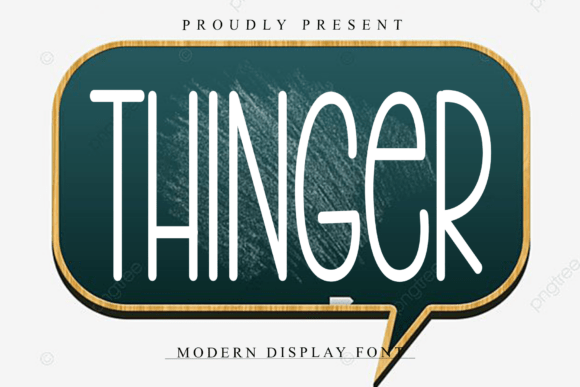
Thinger: A Rhythmic Script Font for Makers
As a small business owner who spends hours perfecting the details of handmade goods, I know that typography is often the silent ambassador of your brand. It is not just about choosing letters; it is about conveying a feeling before the customer even touches your product. This is why discovering Thinger felt like finding a missing piece in my design toolkit. Part of the Script Amp collection, this typeface brings a sophisticated and rhythmic energy to projects that demand both personality and professionalism.
Thinger is not just another handwritten font. It embodies a unique autumnal visual voice, characterized by high-contrast strokes that mimic the natural flow of a brush pen but with the precision required for commercial use. For those of us creating physical products, from candle labels to wedding invitations, finding a script font that balances artistic flair with legibility is a constant challenge. Thinger solves this by offering a modern handwritten aesthetic that feels organic yet polished.
Elevating Product Presentation with Thinger
When you are selling tangible items, the perceived quality of your packaging can directly influence the price point customers are willing to pay. A generic label suggests a generic product, while a thoughtfully designed label tells a story. Thinger excels in this area because its rhythmic structure creates a visual harmony that draws the eye. I have found it particularly effective for boutique tags and product labels where space is limited but impact is crucial.
Consider using Thinger for candle labels or artisan soap wrappers. The high-contrast strokes allow the font to stand out against textured papers or minimalist backgrounds. Because it is part of a modern handwritten collection, it avoids the overly casual look of some script fonts, making it suitable for premium brands. Whether you are designing for a rustic farmhouse aesthetic or a sleek contemporary line, Thinger adapts beautifully. It adds a layer of warmth and authenticity that resonates with buyers looking for handmade quality.
Versatility Across Craft Projects
One of the most valuable aspects of investing in a premium font is its versatility. Thinger is not limited to a single type of project. Its dynamic range makes it an excellent choice for various creative endeavors:
- Wedding Stationery: Use Thinger for invitation headers, save-the-dates, or welcome boards. Its elegant flow complements floral arrangements and formal settings without appearing stiff.
- Greeting Cards: For birthday cards, anniversaries, or thank-you notes, the font’s expressive nature adds a personal touch that feels handwritten yet consistent.
- Wall Art and Printables: Create inspirational quotes or seasonal decor. The autumnal vibe of Thinger makes it perfect for fall-themed prints, but its clean lines work year-round.
- Apparel and Tote Bags: When used with cutting machines like Cricut or Silhouette, Thinger produces clean cuts for vinyl decals on shirts, mugs, and tote bags.
For digital download creators, Thinger offers a distinct advantage. Customers often look for design assets that are ready to use in their own projects. Including Thinger in your template bundles for planners, social media graphics, or branding kits can significantly increase the perceived value of your offerings. It serves as a strong foundation for brand identity, helping your clients establish a cohesive look across their own businesses.
Readability and Practical Application
While beauty is essential, functionality is non-negotiable. A common pitfall with decorative display fonts is poor readability at smaller sizes. Thinger addresses this through its balanced proportions. However, as a maker, you must still apply best practices. When using Thinger for small stickers or intricate product labels, ensure there is sufficient contrast between the text and the background. Dark ink on light paper, or vice versa, ensures the high-contrast strokes remain distinct rather than blending into a blur.
If you are using Thinger for cutting machines, pay attention to the connecting strokes. Most modern script fonts are designed with proper ligatures to ensure smooth cuts, but it is always wise to do a test cut on scrap material. Adjusting the size slightly larger than you might for a standard sans serif font can help maintain the integrity of the delicate swashes and terminals. For longer text blocks, such as product descriptions on the back of packaging, it is better to pair Thinger with a simple, clean body font. Using a script for paragraphs can strain the reader’s eyes, so reserve Thinger for titles, names, and short phrases where it can shine.
Strategic Font Pairing Ideas
To maximize the impact of Thinger, consider how it interacts with other typefaces. A well-chosen pairing can elevate your logo design and packaging design from good to exceptional. Since Thinger has a strong personality, it pairs best with neutral companions.
Try combining Thinger with a clean sans serif font for a modern, minimalist look. This combination works wonderfully for web design elements and social media graphics, where clarity is key. Alternatively, pair it with a traditional serif font to create a classic, editorial feel. This approach is ideal for wedding invitations or high-end boutique branding, where a sense of tradition and elegance is desired. The contrast between the flowing, rhythmic scripts of Thinger and the structured stability of a serif or sans serif creates visual interest without clutter.
Technical Features and Licensing
Before integrating any new typeface into your workflow, it is important to understand its technical capabilities. Check if Thinger includes alternate glyphs, ligatures, or swashes. These features allow for customization, enabling you to tweak the look of specific words to avoid awkward connections or to add extra flourish to a logo. Multilingual support is also a key consideration if you plan to sell products internationally or create designs for diverse audiences.
Finally, always review the licensing agreement. As commercial craft sellers, we need to ensure that our use of commercial font licenses covers all our intended applications. Typically, a standard desktop license allows you to create static images for physical products, such as printed labels, shirts, and signs. If you are creating editable templates for clients or selling digital downloads where the end-user accesses the font file, you may need an additional license. Understanding these distinctions protects your business and respects the work of the type designer. By choosing a robust tool like Thinger from Script Amp, you are investing in a resource that supports both your creative vision and your business integrity.